CER Writer | How to Find The Best CER Medical Writers & Strategy



The best CER medical writers combine a life-sciences or clinical background with substantial applicable clinical experience, a track record of CERs accepted by notified bodies without major findings, and clear regulatory knowledge of MDR, IVDR, and MEDDEV 2.7/1 Rev 4. This page covers what to look for when hiring one; if you’re writing your own CER, see our CER checklist instead.
Are you evaluating whether to hire a CER writer or handle the document yourself? With the transition to the Medical Device Regulation (MDR) 2017/745 in May 2021, medical device manufacturers face constant monitoring and life-cycle management of their clinical data.
For example, in the European Union, the Clinical Evaluation Report (CER) is critical to obtaining the initial CE marking and must be updated continuously throughout the device’s lifetime, owing to the strict requirements of MDR.
Fundamental to the success of your device with the notified body, the clinical evaluation report (CER) is a critical step in demonstrating the safety and compliance of your device.
While more prominent manufacturers, global players, and multinational companies most likely will not have problems complying with the European MDR due to having both the financial and human resources (with experienced medical writers) to comply in time, smaller and medium-sized manufacturers are the ones who often struggle due to having little or no experience with clinical evaluation reports.
Most manufacturers should not write a CER without dedicated experience. Writing a clinical evaluation report compliant with the European Medical Device Regulation (MDR; 2017/745) can be challenging, since the requirements for clinical evidence, clinical data analysis, and literature search are stricter than most in-house teams expect.
Even in well-established companies with staff with regulatory knowledge and device knowledge, finding the time and resources to write a compliant CER can be complex. In smaller companies, where the regulatory and quality department is frequently comprised of smaller teams of 2-3 people or even of a single person, maintaining clinical evidence compliance, writing and updating a comprehensive review can be almost impossible.
However, CER is a must for all medical devices. Additionally, for smaller manufacturers with limited financial resources, developing a plan for each part of the product portfolio, whether for remediation, retirement, or transition, can help understand longer-term consequences and create clear plans for each product.
Most regulatory staff have experience in compliance in their local markets and might need to be more familiar with requirements in the EU market. As a result, they are less able to correctly understand, assess, and explain clinical data than medical writers if they are not specifically specialized in the topic. If you’re considering tackling a CER project for the first time, book a free consult call with our founder, Ethan Drower, to help formulate a strategy.
Manufacturers typically either train an internal CER writer or outsource to an external company or freelancer, since asking general regulatory staff to write it often produces a weaker result.
Since asking your regulatory team to write the CER may not bring the best outcome, you should train a CER writer or hire an excellent CER writer. Considering the complications of writing a well-planned and well-executed clinical evaluation report for smaller manufacturers, a good solution could be outsourcing your CER to external CER companies or freelance medical writers. Training internal staff can be expensive and time-consuming, and an external CER writer can fit in your required timeframe. This way, you can produce high-quality CERs in a short time without damaging internal regulatory processes and compliance with existing approvals.
Medical writing companies offer package solutions and continuity; freelancers offer flexibility and are usually paid a fixed project fee.
Medical writing companies can be found online or in your local community. They typically have specialized staff and can provide package solutions for performing various services at once. The safety of being backed by a company structure is preferable to some, and most medical writing companies provide continuous, high-quality, and professional service.
Freelancers can be hired directly through freelance sites online or through local networks and social media. They are usually flexible in terms of what can be provided and when. Most freelancers can be hired on a project basis, for a fixed fee.
Hiring a CER writer comes down to three steps: get clear on what you need, build an evaluation rubric, and decide how you’ll collaborate with them.
A good CER writer is a well-established industry insider who has worked within the regulatory and clinical sphere for years and is a specialist within their field. The process of hiring a writer can be summed up in three simple steps.
A CER checklist identifies what your document needs before you hire, and doubles as a way to evaluate a candidate’s competency during the interview.
Before you head off and hire the closest CER writer, it is crucial that you fully identify your needs. For example, how much of the document do you need to be drafted? Will you require a Literature Search, or have you already performed one? Who will do the PMS and PMCF planning? Make sure you have at least a cursory understanding of the CER document and what will be required for MDR before proceeding to get a quote.
Use a CER checklist to identify what you need and what you have already done. It will help you vet the writer as well. For example, identifying potential clinical evidence gaps is something your CER writer should be able to do immediately, and it’s often a great way to evaluate their competency in the regulatory documents discovery phase of a project.
There are several factors to consider while hiring a CER writer. The focus should be on getting someone experienced with a good understanding of the technical documentation. Here are some aspects to look out for:
Any CER writer should have practical experience with regulatory documents, technical documentation, and clinical data for medical devices – theoretical expertise is not enough. Drafting clinical evaluation reports efficiently and correctly requires understanding the report’s different sections and their particular challenges. Most CER writers will not be able to give samples of their work, as CERs are typically confidential.
However, you can ask the medical writer how many reports they have worked on, what they find most challenging, what their favorite part of the CER is, and other questions that will convey their expertise in the field and demonstrate their practical experience.
Your writer must also be considered by notified bodies an “acceptable” evaluator under MEDDEV 2.7/1 Rev 4, Section 6.4: an advanced degree in a relevant field plus substantial documented clinical experience, or an accepted equivalent combination. This is a specific, checkable bar, not a general preference, and it’s what a notified body actually verifies on your writer’s CV.
The shortest way to find out about your medical writer’s experience during the interview and selection process is to ask directly how many submission documents they have authored/signed for EU MDR and how many have been accepted without issue.
Apart from the technical aspect, it is essential that clinical evaluation reports, like any other written report, should be as enjoyable to read as possible. Regulatory reports are by nature formal and technical, but they should be easy and clear to read.
A CER writer with excellent writing skills and writing experience should be able to convey ideas succinctly and clearly, without too many tangents and confusing phrases. Looking for a CER writer that also offers services in copywriting or editing can be a simple way to find a writer with an engaging style, as they also write for different audiences and can edit.
A professional literature search and CER writer should be up to date on the latest regulations and requirements, be knowledgeable about medical devices and their therapeutic indications, and be strong in clinical knowledge.
The knowledge base of the medical writer depends on what type of CER you need. For example, suppose your device is Class I or Class II and relies heavily on clinical data from the literature and post-market surveillance data. In that case, you need a writer with general clinical and therapeutic knowledge, but you might not need a clinical trial data and processes specialist. If your CER is for a Class III or a novel device, you will need a CER writer with a good understanding of pre-clinical data and clinical trials.
The writer should also be versed in the current medical device regulations (MDR and IVDR), applicable guidelines, such as MEDDEV 2.7 1 rev., standards, and typical notified body feedback.
Knowledge of quality management systems, adverse event databases and searches, risk management, and device design and development are areas where the medical writer should have some experience.
Likewise, the medical writers should be experts in post-market surveillance data, clinical performance, the EU regulatory framework, and clinical documentation (clinical study reports, clinical performance reports, clinical evidence, clinical trial data, etc.).
CER writers from the regulatory industry might have experience with a particular product type, such as ophthalmic or X-ray devices, and their technical content. Some writers, however, have either been employed from the beginning as medical writers or come from regulatory companies that do not specialize in specific devices.
This makes their device knowledge exceptionally wide, meaning they can write CERs for many devices. Therefore, depending on the type and variation of the devices you manufacture, the writing experience of the writer will be helpful. Find medical writers with experience in a similar therapeutic area.
Specialty medical devices, such as human-origin devices, software, and very high-risk devices, require specialized knowledge. In this case, you should look for a CER writer who has previously published reports on similar devices.
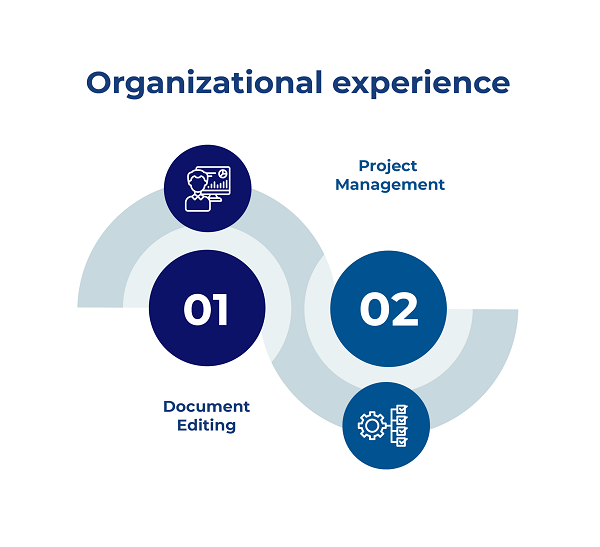
Systematic literature reviews and adverse event searches can quickly return thousands of results, as can complaints and sales data. Understanding how to minimize the effort and time required while optimizing the final result is a finely tuned skill only experienced CER writers possess. For example, Document formatting and editing are something most writers are familiar with. However, during CER writing, you are formatting many tables, appendices, and similar items in documents that are often more than 100 pages long. A good CER writer knows how to format and edit to make their reports look professional and clean.

Apart from regulatory knowledge, familiarity with relevant literature, and clinical research, there are some other skills a CER writer should have. First, any writer involved in regulatory efforts must have some project management skills. Otherwise, the probability of the clinical evaluation report finishing on time and within budget could be higher.
They will also need to have good focus. Many parts of the CER process are tedious and require handling large datasets and paying attention to details and the big picture. The ability to focus on the task at hand and how it relates to the bigger picture significantly lowers the revisions needed once the report is finished, and decreases the number of comments received from notified bodies.
Most manufacturers do best with a hybrid approach, outsourcing the most time-consuming pieces (often the literature review) while keeping the rest in-house.
While many of the larger ‘consulting’ firms in the Regulatory Affairs industry might not deviate from a set project plan, there are multiple alternatives to consider for drafting your Clinical Evaluation Reports in collaboration with medical writers.
Most of the time, the CER process has to be constantly overhauled to meet the clinical evaluator’s specific workflow and budget needs. Some manufacturers have experienced teams but need more free time. Others have time but need more experience with MDR to be certain of their final drafts.
Because of this, a manufacturer should consider a ‘hybrid approach,’ especially if there are budgetary concerns. For example, do you need the whole document and literature review to be fully outsourced? Or do you need some guidance and compliant templates to work from? Sometimes the best plan is to collaborate with medical writers with solid knowledge, not just hire them and wait for the results.
Referrals from industry contacts, direct search, and freelancer marketplaces are the three most common ways manufacturers find a CER writer.
One of the best ways to find good CER writers is to ask for referrals from people in your industry. Google searching is another great way (and likely how you have come across this article!). You can even have success finding folks on freelancer marketplaces! Whether you are looking for freelance CER writers or hiring a specialized company to do your CERs, understanding what is required of the writer is vital for medical device manufacturers.
Know your document, know your preferred collaboration model, and check experience and references carefully before you hire.
It might be worth determining what you are looking for and taking a few minutes to figure out your requirements before starting the hiring process. Then, when it comes to evaluation, stick to the main principles outlined in this article, and you will be able to get a CER writer or team that meets your needs.
A CER writer is usually a medical writer who works specifically with clinical evaluation report writing, translating clinical data, literature findings, and risk management input into the structured document a notified body reviews for CE marking. Medical writers specialize across a wide range of clinical and non-clinical procedures, so hiring someone with the right therapeutic-area and regulatory experience matters more than hiring a generalist. Many CER writers also handle related documents, such as PMS plans, PSURs, and PMCF reports, since these all draw on the same clinical evidence base as the CER itself.
A CER accepted without major findings gets a device to CE marking faster and avoids the cost and delay of responding to a notified body’s request for additional information, which commonly adds weeks or months to a submission timeline. A weak CER often comes back with findings specifically on the equivalence argument or the literature search methodology, both of which are exactly where an experienced writer’s judgment matters most. The cost difference between a strong writer and a weak one usually shows up less in the writer’s fee and more in how many review cycles the submission needs before certification.
A CER strategy is the plan a manufacturer adopts for completing its CER process, covering what gets outsourced, what stays in-house, and how the literature review, PMS, and PMCF planning pieces fit together on a realistic timeline. A hybrid approach, where the most time-consuming piece such as the literature review is outsourced while the rest stays internal, is common for manufacturers with some regulatory capability but not enough spare capacity. The right strategy depends on whether the constraint is time, in-house MDR experience, or budget, since each points toward a different mix of outsourcing versus internal ownership.
Literature reviews, CERs, post-market surveillance — in one platform.